
When you look at an old, unstable structure on your property, it is natural to wonder if you can handle the teardown yourself to save on costs. With limited housing inventory pushing more neighbors to consider a teardown and rebuild, can you demolish your own house in North Carolina without hiring a professional crew, or are the legal and safety hurdles too high for a DIY project?
As your local neighbors in the greater Catawba County area, we want to help you understand the realities of clearing the way for your next chapter. The short answer is technically yes in some jurisdictions, but the process involves permits, environmental regulations, and safety risks that can quickly overwhelm a property owner.
Key Takeaways
| Topic | Quick Answer |
|---|---|
| Legal right | Homeowners may be able to demolish a primary residence themselves, but local permits and inspections still apply. |
| Permit requirements | A demolition permit is required in most cases, along with utility disconnections and any required environmental review. |
| Environmental hazards | Lead paint, asbestos, and other hazardous materials call for qualified assessment and proper handling. |
| Local service areas | We provide house demolition services in areas including Statesville and Denver. |
Can You Tear Down Your Home Without Permit Approval?
North Carolina may allow a property owner to perform certain work on a primary residence, including demolition. That does not exempt the owner from the safety standards and regulations governing the project.
Before swinging a sledgehammer, confirm what your local government requires for debris disposal, utility termination, inspections, and site control. A local building permit may also be needed for the new construction after the teardown, so demolition approval should never be treated as permission to build again.
Most counties and municipalities in the greater Catawba County area require a specific demolition permit that explains how the site will be managed safely. The applicable building code can affect setbacks, foundation reuse, and the inspections needed before future work begins.
Older homes may contain lead-based paint, asbestos in siding, flooring, or insulation, and other regulated substances. An inspection can identify asbestos-containing materials before demolition begins and help prevent dangerous fibers from entering the air.
Historic-district rules or preservation review may apply even when the owner otherwise qualifies to do the work. Check before assuming an ordinary demolition approval is enough.


Understanding Permits When You Demolish Your Own House in North Carolina
Navigating the permit process is often the most frustrating part of a teardown. Requirements vary by jurisdiction, so ask the authority having jurisdiction for its current application, review, and inspection checklist.
You may need a site plan showing the house, property lines, wells, and septic systems, plus confirmation that electricity, gas, and water have been disconnected and capped. Some permit portals label the application category “demolition residential.”
Starting demolition without the proper approval can lead to fines, a stop-work order, project delays, and added costs. A qualified demolition contractor can help coordinate the job scope, but the property owner should still verify that required permits are issued before work starts.
When we handle a project, we focus on clear communication and a practical plan so you stay in control of how your land takes shape.
Official references: Review N.C.G.S. 160D-1110 and confirm the current process with the inspections office serving your property.
The Safety Risks of DIY Residential Tear Downs
Demolishing a house is far more dangerous than simply knocking down walls. Structures carry loads in ways that may not be obvious, and removing the wrong support can cause an unplanned collapse.
Heavy equipment, dust control, protective gear, and an established sequence are central to safe work. A professional team also plans how to remove debris without damaging neighboring structures, retained trees, wells, septic systems, or access routes.
If you choose to demolish your own house in North Carolina, consider falling material, sharp nails, broken glass, unstable floors, hidden utilities, and airborne contaminants. Insurance and equipment rental do not substitute for demolition experience.
If a permit issue stops part of the plan, you can still demolish only after the authority confirms what work is allowed and all required approvals are in place.
Environmental Concerns and Hazardous Materials
When you demolish a home, you are responsible for where every part of the structure ends up. Before work begins, obtain an estimate for disposal and identify materials that require separate handling.
Do not assume demolition debris can be burned. Shingles, treated lumber, insulation, and other man-made materials may need to go to an approved construction-and-demolition facility. Confirm disposal rules with the appropriate state and local authorities.
If lead, asbestos, or other regulated material is mixed into a general load, the facility may reject it. Planning testing, sorting, hauling, and removal before the first wall comes down protects the property and the surrounding community.
Our approach to site preparation focuses on land stewardship. After structural debris is hauled away, forestry mulching can reclaim overgrown areas around the former house while leaving a protective layer of organic material on the ground.
Official references: See North Carolina’s demolition and asbestos guidance and open-burning guidance before planning the work.
The Hidden Costs of Trying to Demolish Your Own House
A DIY demolition can appear less expensive until equipment rental, fuel, protective equipment, dumpsters, landfill charges, utility work, testing, and permit fees are added together. Real estate plans can also carry a cost when a delayed teardown pushes back a sale or new build.
Your time matters too. A project that takes an experienced crew days might take a homeowner weeks of demanding labor. Renovations can uncover similar surprises, but full demolition adds structural instability and a much larger debris stream.
We provide a no-pressure estimate so property owners can weigh the actual work before committing to a path.
Site Preparation and Reclaiming Your Land
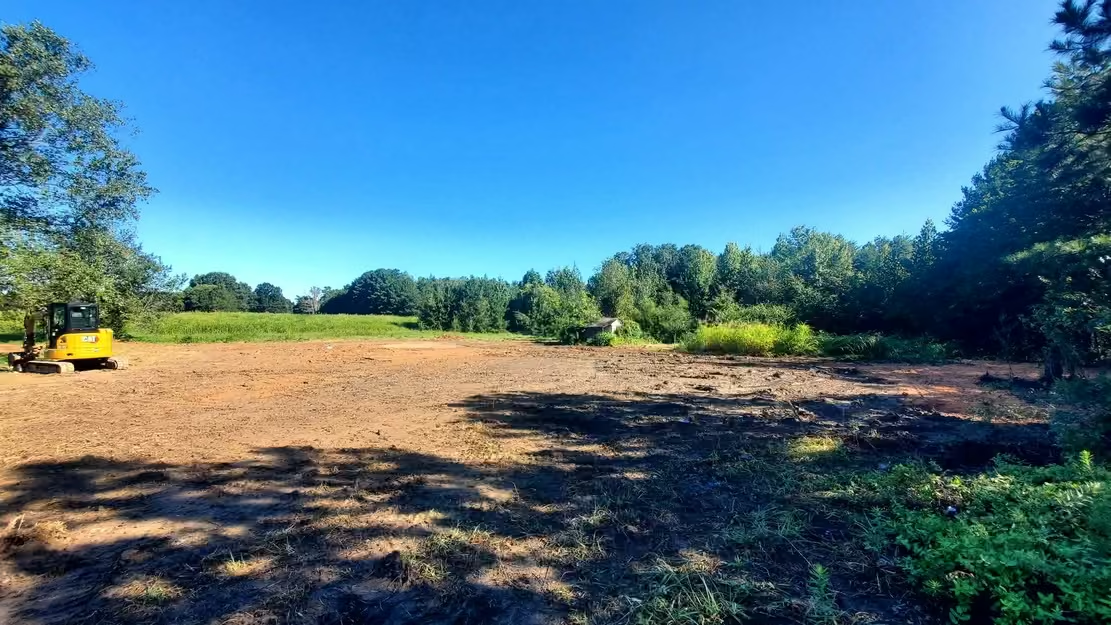
Once the house is gone, the work is not finished. The disturbed ground needs to be stabilized and prepared for its next use. That may include foundation work, grading, clean access, erosion control, or selective clearing.
Forestry mulching can cut through dense thickets and saplings around an older home. Grinding that growth onsite can improve access while helping protect exposed soil.
Whether you are planning new construction or want more usable space, a clean site is essential. We help property owners in Maiden, Hickory, Newton, Statesville, Denver, and nearby communities make practical plans for their land.

Final Thoughts
While you may be allowed to demolish your own house in North Carolina, the risks to your safety, budget, schedule, and land are significant. The sensible first step is to confirm current requirements with the city or county that regulates the parcel.
Hiring a professional lets you keep control of the goal without personally managing every hazard, machine, and truckload. Barked Up Forestry is owner-operated, so Josh Carter stays close to the work and gives you straight answers before it begins.
Schedule a Free Estimate
Frequently Asked Questions
Do I need a permit to tear down a house in North Carolina in 2026?
North Carolina law says work may not begin until all permits required by state and local law are secured. Contact the city or county building-inspections office for the parcel and ask about demolition approval, utility releases, environmental review, debris disposal, and later construction permits.
Can I burn the debris from my house demolition?
Do not burn shingles, treated lumber, insulation, or other demolition waste. Confirm the current disposal requirements and take regulated debris to an approved facility.
Is an asbestos inspection required?
Requirements depend on the structure and applicable rules. Because disturbing asbestos can release hazardous fibers, ask the permitting office and a qualified inspector what testing or abatement applies before demolition.
How much does professional demolition cost?
Cost varies with structure size, materials, access, utilities, hazardous-material handling, hauling, disposal, foundation scope, and the condition in which the site must be left. Compare written estimates using the same scope.
Is it worth demolishing my own house?
For many homeowners, the safety risk, equipment needs, disposal logistics, and time commitment make professional help the more practical choice. Get a complete estimate before assuming DIY work will save money.
Can I keep the existing foundation?
Possibly, but the answer depends on its condition, the proposed plans, and current code requirements. Have the relevant design and inspection professionals determine whether it is suitable for reuse.
