
Our Tear Down and Site Preparation Process


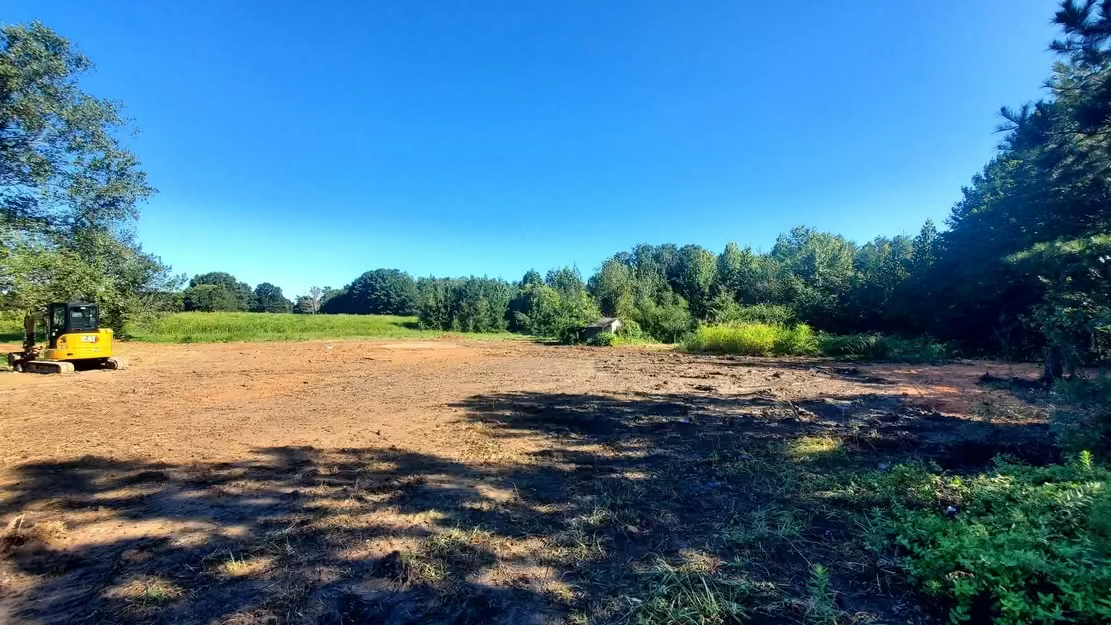
| Best fit | Homeowners needing safe teardown services or partial demolition with clear site control. |
| Safety first | Licensed crews handle hazards, utilities, and debris controls so the work stays on schedule. |
| Plan for the whole site | Demolition is only one step, site preparation matters for what comes next. |
| Costs vary | Budget based on building size, materials, access, and whether you want full or partial removal. |
| Ask for comparisons | We can offer similar quotes for the same scope of work, including cleanup and site prep. |
| Local help | We serve Maiden and the surrounding areas, and you can review our service coverage on our site here: Barked Up Forestry. |
- House demolition needs more than a wrecking crew, it needs permits, utility coordination, and jobsite safety controls.
- Partial vs total demolition changes the plan, the crew approach, and the cleanup requirements.
- Clear communication about access, haul routes, and what you want to keep prevents delays.
- Site preparation is what turns a cleared lot into a usable building pad or usable land area.
- We can help with land clearing and driveway clearing as part of the “what next” plan around your demolition scope.
Why House Demo in 2026 Often Comes Down to Planning with a Demolition Permit
A full demolition project is not a single event, it is a sequence of decisions that start before any machinery moves. In 2026, property owners still run into the same problem, they think the demolition plan ends when the house falls, but the work that comes after, utilities, debris handling, and site preparation, is what affects your timeline.
We recommend treating house demolition like a controlled project from day one. A reputable crew helps you act fast to move your family’s belongings, protect what you want to keep, and confirm the safety steps required for demolition permits.
When you plan early, you avoid the most common delays:
- Unplanned utility shutoffs (power, gas, water, septic, and any disconnected lines).
- Unclear limits on what must be removed versus what should remain.
- Access issues for equipment and trucks, especially if your driveway or gate is tight.
- Debris handling decisions that do not match how the site will be reused.
In our work, the best outcomes come from clear staging and consistent site control. That is also why we focus on land stewardship and safe jobsite practices when we help prepare a property for what comes next.

Full vs Partial Demolition: How Scope Drives the Demolition Contractor Plan
All residential demolition services cover a lot of different job scopes. Full demolition removes the structure down to the planned foundation level or grade. Partial demolition removes specific home sections, rooms, or unsafe parts while leaving other areas in place.
Both jobs come with safety and fee differences since they aren't sharing the same demolition process or labor requirements. It also determines how much coordination you need with neighbors, haul routes, and any remaining surfaces that must be protected.
Here is how we typically see homeowners decide between full and partial house demolition:
- Choose partial demolition when you can keep usable portions of the structure and want targeted removal, for example when only a compromised section needs to go.
- Choose full demolition when the building is beyond repair, when you want a clean slate for new construction, or when multiple systems are failing.
- Choose a phased plan when the job needs to happen in stages for access or budget reasons.
Either way, the key is the scope. The average cost depends on the size of the buildings and the scope of work, so the best move is to compare quotes for the same plan, not just the lowest number.

What “Safe, Permitted” House Demolition Means on the Ground
A safe tear down or mechanical demolition is safest with demolition contractors who secure the home demolition permit and follow every safety rule in the book. That sounds obvious, but it is the difference between a controlled job and a risky one.
In practice, safety includes:
- Utility coordination so no live lines remain that could endanger crews or the public.
- Hazard awareness for materials and building components that require careful handling.
- Site protection for areas you want to keep, including trees, land features, and fencing.
- Debris controls to keep the worksite manageable and reduce downtime from the home disposal cleanup.
For property owners, the most reassuring part is how the plan shows up in everyday actions. Licensed crews bring procedures for how they move in and out of the property, how they stage materials, and how they manage dust and debris.

If your demolition is part of a larger land stewardship or rebuild plan, it helps to align the approach from the start. The crews you hire should understand your site goals and your timeline.
The Average Cost of a Demolition Project in 2026
The costs for a home demolition in 2026 is always, “it depends” because every home, driveway, and local laws are different. The price depends on the building footprint, the materials involved, access for equipment, and how detailed you need the cleanup and grading to be.
We also see cost differences based on how demolition connects to site prep. If the next step is building, you might need a more precise plan for what happens after removal. If the next step is land reuse, you might prioritize clearing paths or creating better access for maintenance and recreation.
In our world of land clearing and site preparation, we think in terms of jobsite readiness. That mindset helps property owners budget more accurately for the full project.
Here are cost drivers you should expect to discuss before the crew starts:
- Demolition scope, full teardown versus partial demolition deconstruction.
- Access, including gate width, driveway strength, and turning radius.
- Debris handling, what is hauled off and what must be managed on site.
- Site reuse goals, whether you are preparing for construction or future landscaping.
- Timing, scheduling around weather windows and neighbor considerations.
Because of all that variation, we always recommend comparing quotes before house demolition. Ask for the same scope, the same cleanup expectations, and the same assumptions about access and staging.
If your property needs more than demolition, our land clearing services can support the “what next” part of the plan. For example, forestry mulching is a single-step method that grinds standing growth into a protective layer of mulch, and land clearing can prepare the area for new access routes or build planning.
Site Prep After House Demolition: Clearing, Access, and Land Stewardship
Most delays come from the transition between “demolition complete” and “site ready.” In 2026, we see homeowners who are excited about what comes next, but the lot is still overgrown, hard to reach, or not prepared for safe equipment access.
This is where land stewardship and practical site prep overlap. Our mission is to help property owners make the most of their land, safely, sustainably, and efficiently. Even when the demolition itself is handled by another licensed team, the property still needs thoughtful next steps.
If your demolition leaves an area with dense undergrowth, tangled vegetation, or thick brush, land clearing helps you regain control of how the land takes shape. We take unwanted growth down while protecting the ones worth keeping, so you stay in control of your property goals.
One of the simplest ways to plan for site prep around your demolition scope is to think about the end use. Are you building, adding a driveway, or reclaiming land for recreation?
We offer services that fit those real-world decisions:
- Land clearing to clear brush and vegetation for better access and safer work conditions.
- Trail cutting to create accessible paths through the property.
- Driveway clearing to support access planning after the house removal.
- Forestry mulching to grind standing growth into a protective layer of mulch onsite, helping nourish soil and deter future weed growth.
Tearing Down Homes and Land Clearing in North Carolina
House demolition is safest when the demolition crew and the site prep plan align. The best teams coordinate safety and timelines so you do not get stuck waiting for access or cleanup.
As a locally owned business serving the greater Catawba County area, we focus on getting your property ready for the next chapter. That includes helping homeowners in and around Maiden, Hickory, and Statesville think through access and clearing decisions after a structure is removed.
If you want to see how we frame our services and local coverage, start with our overview of what we do and how we serve the area:
- Our mission and values at Barked Up Forestry Mulching
- House demolition site prep support in the Hickory, NC area
- Land clearing planning for properties near Statesville, NC
How to Prepare for House Demolition: A Simple Checklist You Can Use
Before any crew starts demolition work, you can do a few practical things that make the job run smoother. We have watched how these steps reduce rework and prevent avoidable delays.
Here is a house demolition prep checklist you can use in 2026:
- Move or protect belongings early, and confirm what is being handled by your household versus what the crew will manage on site.
- Mark items to keep, include personal property, fixtures, or any materials you want preserved.
- Secure access, confirm gates, driveway clearances, and where trucks can park safely.
- Discuss debris handling, ask how cleanup works and what final conditions you should expect.
- Confirm permits and utility shutdown, licensed crews should provide clarity on demolition permit steps and safety procedures.
Once demolition is complete, the checklist continues with site readiness. If your next step is construction, coordinate grading and access. If your next step is land stewardship, consider forestry mulching or land clearing to reclaim usability.
Conclusion: Get Your House Demolition Plan Locked In for 2026
House demolition can be a smart reset when you plan it the right way. In 2026, the safest path is licensed professionals handling permits and safety rules, clear decisions about full versus partial demolition, and careful coordination for what comes next on the site.
We recommend comparing quotes based on the same scope of work, not just price. When demolition is paired with land clearing and thoughtful site prep, you get back control of your property, and you move from teardown to a usable plan with less downtime.
Frequently Asked Questions
How much does house demolition cost in 2026?
House demolition cost in 2026 depends on building size, full versus partial demolition scope, material types, and access for equipment and haul trucks. We recommend comparing quotes for the same scope of work, including cleanup and site prep expectations, so you can judge price changes fairly.
Do I need a permit for house demolition in 2026?
Most cases require a demolition permit, and house demolition should only proceed after the permit is secured. Licensed crews handle the permit steps and safety rules so the job can be completed without avoidable compliance issues.
Is partial house demolition ever a good idea?
Yes, partial house demolition can be a good idea when only certain unsafe areas or sections need removal and you want to keep usable parts. The right plan depends on the structure, the hazards involved, and how you want the site to be reused after demolition.
What should I do with my belongings before house demolition starts?
Before house demolition begins, we recommend acting fast to move your family’s belongings and protect anything you want to keep. A reliable crew will coordinate staging and help manage what is removed versus what stays, which prevents delays and confusion.
How long does house demolition take compared to site preparation?
House demolition typically finishes faster than the full transition to “site ready.” In many projects, site preparation, debris handling, and land access planning takes additional time, so you should align timelines from the start in 2026.
What should happen after house demolition if I want to build again?
After house demolition, you should plan for debris clearance, grading or foundation-level decisions, and safe access for future equipment. If the lot is overgrown, land clearing steps like forestry mulching or driveway clearing can make the rebuild process smoother.
